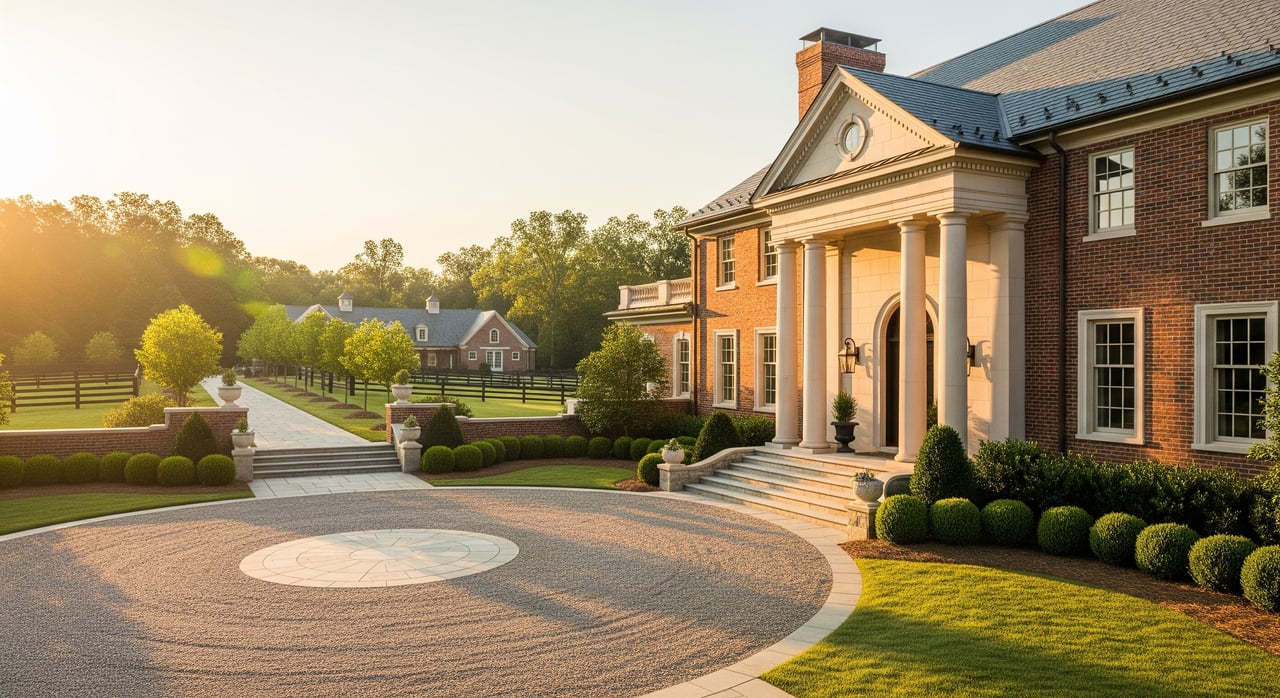
Building a new home in Milton should feel exciting, not overwhelming. You want a clear picture of what happens when, who does what, and how long it all takes. In this guide, you’ll see the full timeline from lot selection to keys, the local approvals that can affect your schedule, and practical ways to keep your build on track. Let’s dive in.
Milton build timeline at a glance
- Pre-contract and lot reservation: 1–6 weeks
- Contract and loan application: 1–4 weeks
- Permitting and plan approval: 4–12+ weeks
- Pre-construction and site work: 2–6 weeks
- Foundation: 1–3 weeks
- Framing and roof: 2–6 weeks
- Rough mechanicals and inspections: 2–4 weeks
- Insulation and drywall: 1–3 weeks
- Finish stage: 4–10 weeks
- Final inspections, utilities, CO: 1–3 weeks
- Walk-through, punch list, closing: 1–3+ weeks
Total time by project type
- Inventory/spec home already underway: 1–4 months to closing.
- Production home with a standard plan: 6–10 months from contract to keys.
- Semi-custom or custom home: 9–15+ months. Larger lots, tree preservation, and premium exterior details common in Milton often push timelines toward the longer end.
Local approvals that affect timing
City of Milton vs. Fulton County
First, confirm whether your lot is inside the City of Milton or in unincorporated Fulton County. Permit offices, review steps, fee schedules, and inspection procedures differ by jurisdiction. Your builder typically files the permit, but you should still verify which authority applies and the expected review window.
HOA and Architectural Review Board
Many Milton neighborhoods have an Architectural Review Board and strict exterior standards. ARB review often runs alongside municipal permitting, but it can add weeks if submissions are incomplete. Ask for a checklist of required materials so the package is “permit ready.”
Erosion, stormwater, and tree protection
Georgia projects commonly require erosion and sediment control measures during site work. Milton communities also emphasize tree preservation and buffers, which can shape your grading plan and timing. If tree removal or mitigation is needed, build that approval into your schedule.
Utilities, tap fees, and meter set
Confirm water and sewer providers early, along with tap fees and capacity approvals. Final utility connections and meter sets often occur near the end of construction and can take multiple weeks to schedule. Make sure fees are paid on time so connections are not delayed.
Financing and contract steps that drive the schedule
- Construction-to-permanent loans and draw schedules add inspections and administrative steps during the build. Make sure your lender understands the builder’s draw timing.
- Strongly consider a full underwritten approval before you start. It helps prevent closing delays when your Certificate of Occupancy is issued.
- Your contract will set upgrade deadlines and a window for starting construction. Late change orders slow subcontractor schedules and material orders, which can add weeks.
- Clarify allowances for finishes like flooring and lighting, and confirm what happens if you exceed those amounts.
Quick checklist:
- Get pre-approved and share lender requirements with your builder.
- Review start and completion windows in writing.
- Note selection deadlines and change-order rules before you sign.
Design selections and long-lead items
Most builders ask you to complete standard finish selections within 2–6 weeks after contract. Premium items can need more time to source. Specialty windows, appliance packages, stone countertops, and custom cabinetry may add 2–8+ weeks if ordered late.
How to stay on track:
- Prioritize selections tied to long lead times and place deposits early.
- Use the builder’s design calendar and provide quick approvals.
- Avoid scope changes after framing unless you are comfortable with added time.
From lot to keys: step-by-step timeline
Pre-contract and lot reservation (1–6 weeks)
You’ll confirm lot orientation, setbacks, conservation buffers, and any lot premium. Review HOA guidelines and community covenants to ensure your preferred exterior style fits. Ask the builder for recent examples of similar homes on similar lots.
Contract and loan application (1–4 weeks)
You’ll sign the sales contract, pay earnest money, and start your mortgage or construction-to-perm application. The contract should spell out allowances, design deadlines, and what triggers change-order fees or delays. Target full underwriting as early as possible.
Permitting and plan approval (4–12+ weeks)
The builder submits plans for municipal review and, if required, ARB approval. If the lot is in unincorporated Fulton County, county review and inspections apply. Erosion control and stormwater plans may be part of this step, so complete submissions help keep things moving.
Pre-construction and site work (2–6 weeks)
Crews clear the lot, install erosion control, protect trees, and grade for the foundation. Temporary utilities are often set, and a geotechnical review may be requested. Weather has a big influence on pace during this phase.
Foundation (1–3 weeks)
Footings and foundation are poured or built, then allowed to cure. Inspections often occur before and after pours as required by the jurisdiction. Keep weather in mind for curing and scheduling.
Framing and roof (2–6 weeks)
The structure goes up and the roof is dried in. Complex rooflines or a larger footprint can lengthen this step. Periodic structural checks and framing inspections are common.
Rough mechanicals and inspections (2–4 weeks)
HVAC ducts, plumbing lines, and electrical rough-in are installed. Inspectors verify rough work and code compliance before insulation. Timely inspection scheduling helps avoid idle days.
Insulation and drywall (1–3 weeks)
Insulation is installed and inspected where required, then drywall is hung and finished. You start to see real rooms take shape. Minor changes are harder after this point, so keep earlier decisions firm.
Finish stage (4–10 weeks)
Trim, cabinets, countertops, tile, paint, flooring, and fixtures are completed. This phase has the most variability because it depends on trade schedules and material availability. Ordering long-lead items early reduces risk here.
Final inspections, utilities, and CO (1–3 weeks)
The builder schedules final building, electrical, plumbing, and any fire or specialty inspections. Utility providers complete final connections and meter sets. Once all sign-offs are in place, the jurisdiction issues the Certificate of Occupancy.
Walk-through, punch list, and closing (1–3+ weeks)
You complete a detailed walk-through and generate a punch list of items to be corrected. Most items are handled within days to a few weeks, but seasonal work like exterior grading or landscaping may be scheduled later. Closing typically follows the CO and final lender approval.
Inspections, CO, punch list, and warranties
Common inspections include trench and footing checks, foundation verification, framing and rough mechanicals, insulation, and final building. Specialty items like fire-rated assemblies or pools may require additional inspections.
A Certificate of Occupancy is required before move-in. Some jurisdictions allow a temporary CO while punch-list items are finished. Confirm your lender’s requirements before considering a temporary CO.
Most builders offer a 1-year workmanship and materials warranty, with longer coverage for major systems or structural elements, often 2–10 years. Review the warranty document, claim process, and dispute resolution before closing.
What can delay your build in Milton
- Weather during site work, foundation, and framing. Try this: build in buffers when setting target closing and avoid aggressive dates during rainy seasons.
- Permit review backlogs or incomplete submissions. Try this: push for complete, permit-ready plans and confirm jurisdiction-specific requirements early.
- ARB or HOA design review delays. Try this: submit a thorough exterior package and confirm the review calendar before contract.
- Material lead times for appliances, cabinets, tile, or specialty windows. Try this: place orders as soon as selections are locked.
- Late change orders after framing. Try this: finalize plan and finish decisions before rough-ins begin.
- Utility scheduling for meter set and connections. Try this: pay tap and impact fees on time and verify provider lead times.
- Subcontractor availability in a hot market. Try this: ask the builder about crew capacity and typical cycle times for similar homes.
Community amenities and timing
Clubhouses, pools, trails, and gates follow their own construction schedules and approvals. If your move is tied to amenity completion, ask for written timelines and any closing contingencies. Temporary road access or ongoing site work around amenities may affect your daily routine during the final months of a new community.
Pre-signing checklist for families
- Confirm whether your lot is in the City of Milton or unincorporated Fulton County and ask about typical permit times.
- Review HOA and ARB design guidelines and the required submission materials.
- Clarify what your builder’s warranty covers, how long coverage lasts, and how to file a claim.
- Ask for the builder’s historical average build time to Certificate of Occupancy for similar homes in Milton.
- Get exact selection deadlines and what happens if you miss them.
- Verify who pays tap, impact, and inspection fees and when they are due.
- Confirm whether a geotechnical or soil report is included and who covers any remediation.
- Understand how utilities will be provided and the estimated timeline for meter sets.
- Ask whether temporary COs are used, and how that affects closing and occupancy.
- Clarify landscaping and grading responsibilities and when those items will be completed.
Building in Milton is a rewarding path to a home that fits your life. With a realistic timeline, early approvals, and smart selection planning, you can move from lot to keys with confidence. If you want seasoned guidance on communities, builders, and process, reach out to Margaret Sallee for expert, local support from contract to close.
FAQs
How long does a typical Milton build take from contract to keys?
- Most production homes take about 6–10 months, while semi-custom and custom homes often run 9–15+ months depending on lot, design, permitting, and weather.
What is the difference between spec, production, and custom timelines?
- A spec home already under construction may close in 1–4 months, a production home with a standard plan is usually 6–10 months, and a semi-custom or custom build often takes 9–15+ months.
Who files building permits for a new home in Milton?
- The builder typically files and manages permits, but you should confirm the jurisdiction, fees, and estimated review times at the start.
Will HOA or ARB approval slow down my permit?
- It can if submissions are incomplete or out of compliance. Coordinate early and submit a complete exterior package to keep the schedule moving.
When will I choose finishes and what if I miss a deadline?
- Most builders require selections within 2–6 weeks after contract. Missing a deadline can trigger change orders, added costs, and delays, especially for long-lead items.
How do construction loans affect closing timing?
- Construction-to-permanent loans use draw schedules and require inspections during the build. Full underwriting early helps you close quickly once the CO is issued.
What inspections should I expect before move-in?
- Typical milestones include foundation, framing and rough mechanicals, insulation, and a final building inspection. Specialty items can require additional checks.
What is included in a punch list and how fast is it finished?
- A punch list covers incomplete or deficient items found at the final walk-through. Most items are resolved within days to a few weeks, with seasonal work scheduled appropriately.