
If you are thinking about trading square footage for lifestyle, Virginia-Highland can be a very appealing place to land. You may be looking for less upkeep, easier daily routines, and a home that still feels full of character. This guide will help you focus on what matters most when downsizing in Virginia-Highland, from one-level living and renovation quality to parking, lot size, and block-by-block lifestyle fit. Let’s dive in.
Virginia-Highland is known for its historic charm, walkability, and intown convenience. As one of Atlanta’s official neighborhoods and a National Register historic district, it is defined largely by 1905 to 1936 bungalows, cottages, and Foursquare homes on tree-lined streets.
For many downsizers, that means the draw is not a sprawling lot or a brand-new suburban floor plan. Instead, you are choosing proximity to shops, dining, nightlife, neighborhood parks, Piedmont Park, and the BeltLine, along with homes that offer personality and established surroundings.
One of the first questions to ask in Virginia-Highland is how well a home works for daily life on one level. Because much of the housing stock is older, layouts can vary quite a bit, and not every home will feel equally easy to live in over time.
Look closely at whether the primary bedroom, laundry, kitchen, and main living spaces are all on the main floor. Hallway width, stair placement, and room-to-room flow can also make a big difference in how comfortable the home feels once you have simplified your lifestyle.
When you tour homes, keep your screening practical. A charming house can still be the wrong fit if the layout adds friction to your daily routine.
In Virginia-Highland, updates often matter just as much as size. Since many homes date to the early 20th century, kitchens, baths, and major systems can vary widely from one property to the next.
A polished renovation should feel thoughtful, not rushed. You want to look beyond surface finishes and consider whether updates seem well integrated with the home’s character and whether the house functions well for modern living.
A beautiful kitchen is great, but it should not distract you from the bigger picture. In a neighborhood where planning, variances, and exterior changes are part of the local conversation, it is wise to understand how carefully improvements were made.
Pay attention to:
Downsizing often means wanting less exterior maintenance, not just fewer rooms inside. In Virginia-Highland, that can be a strong match because many properties sit on compact urban lots rather than large suburban parcels.
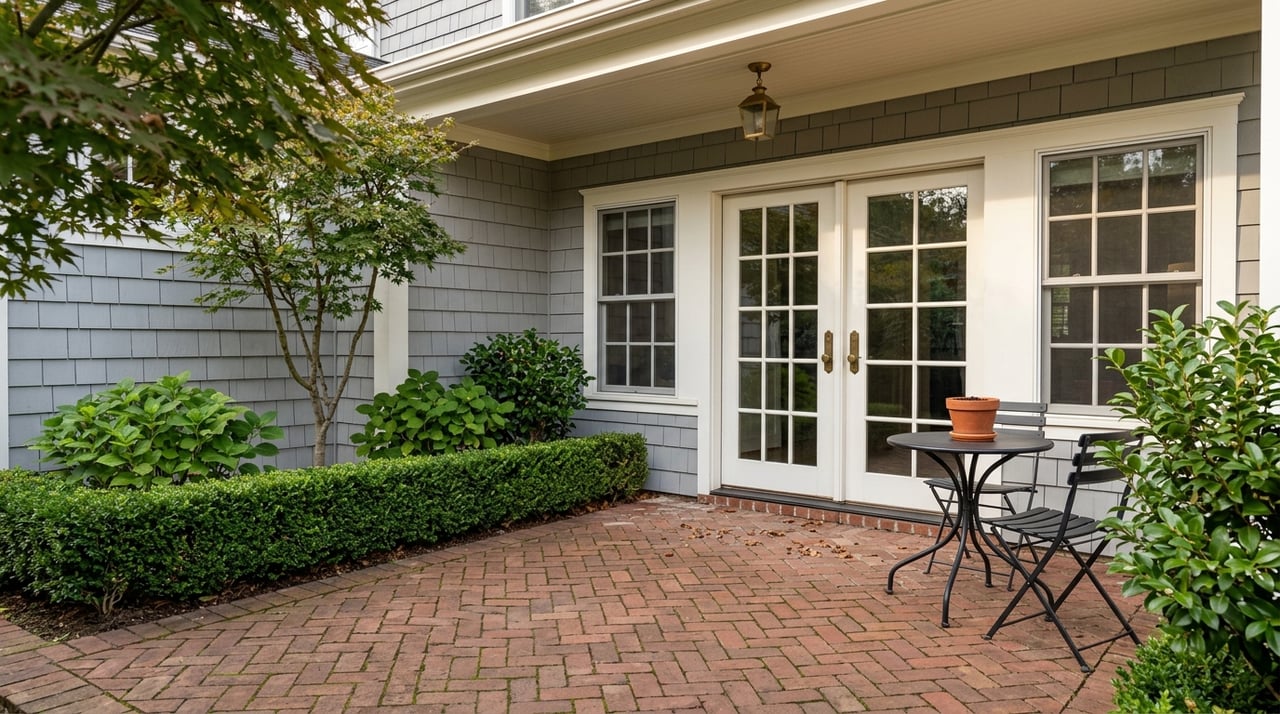
A smaller yard, porch, terrace, or patio may be a better fit than a property with a large lawn that needs regular attention. The neighborhood also places importance on tree protection, and the City of Atlanta requires tree documentation and protection measures for construction and renovation work, so outdoor upkeep and site conditions deserve a close look.
It helps to separate what sounds nice from what fits your next chapter. A modest outdoor space can still give you room to relax without taking over your weekends.
Look for features like:
If you are moving from a larger property, Virginia-Highland may require a mindset shift. The neighborhood’s urban lot pattern means you should not assume deep backyards, wide side yards, or abundant room to expand later.
That does not mean a home cannot work beautifully for downsizing. It just means you should evaluate the lot based on how you plan to live now, rather than what you might expect from a suburban setting.
Parking is not a small detail in Virginia-Highland. It is one of Atlanta’s official residential parking districts, and the city’s permit program exists to ease congestion in neighborhoods near demand generators.
Eligible addresses can receive one or two permits depending on off-street parking access, and permits currently cost $20 each. For you as a buyer, that makes off-street parking, guest parking, alley access, a garage, or a driveway a serious quality-of-life issue.
The neighborhood’s Summerfest parking guidance notes that parking can get tight during busy events, with a limited mix of free lots, paid lots, and on-street options. Even if you do not mind activity, it is smart to understand how your block feels when the area is busier than usual.
As you compare homes, ask:
In Virginia-Highland, location within the neighborhood matters as much as the house itself. Two homes with similar style and size can offer very different living experiences depending on their exact block.
The BeltLine Eastside Trail runs along the western boundary, and parts of the BeltLine-adjacent area support higher-density mixed-use and multifamily development. If you want a quieter downsizing experience, the difference between the BeltLine edge and the residential core is worth weighing carefully.
Some parts of the neighborhood are more tied to the historic single-family fabric, while others are closer to major activity, traffic, or mixed-use growth. The master plan update also highlights support for preserving single-family homes in the National Register Historic District and the largely single-family character of the Monroe Drive area.
That means your day-to-day experience can change based on traffic exposure, proximity to shops and restaurants, and access to the BeltLine. If lifestyle is the reason you are downsizing, block selection should be part of your strategy from the beginning.
Virginia-Highland stands out because so many daily activities can happen close to home. The district includes shops, coffee spots, prepared meals, retail, services, and fitness and wellness options, along with a farmers market and frequent neighborhood events.
For many buyers, that is a big part of the value. If you want less driving and more walkable convenience, it is worth confirming that the home is close enough to the places you expect to use regularly.
Walkability looks different for every buyer. You may want to stroll to coffee, meet friends for dinner, or enjoy nearby green space without maintaining a large yard yourself.
Virginia-Highland includes several city parks that the neighborhood association helps maintain, including Orme Park, The Triangle, John Howell Park, and North Highland Park. That can be especially attractive if you want outdoor access without taking on more private exterior upkeep.
Before you make an offer, it helps to compare each property against the same set of priorities. This can keep charm from overshadowing practicality.
Downsizing in Virginia-Highland works best when the home supports the lifestyle you want next, not the one you are leaving behind. If you focus on comfort, convenience, and the realities of this historic intown neighborhood, you can find a home that feels lighter to manage without giving up character or location.
If you are weighing a move to Virginia-Highland and want a thoughtful, detail-oriented approach to finding the right fit, Margaret Sallee can help you evaluate homes with both lifestyle and long-term comfort in mind.
Whether buying or selling, Margaret represents each of her clients with a high degree of professionalism and personalized care that delivers optimal results.